

First Patient Enrolled in Phase III Trial
of AnkeBio’s Long-Acting rhGH-Fc Fusion Protein Injection
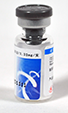
AnkeBio (Anhui Anke Biotechnology (Group) Co., Ltd.) has enrolled the first subject in the Phase III clinical trial of its long-acting recombinant human growth hormone-Fc fusion protein injection (rhGH-Fc). The enrollment took place at the leading site, Tongji Hospital, Tongji Medical College, Huazhong University of Science and Technology, marking the start of the pivotal enrollment stage to evaluate the efficacy and safety of this investigational therapy.
The rhGH-Fc fusion protein injection is a long-acting growth hormone developed using Fc fusion technology. It is a recombinant human GH homodimer fused to a mutated IgG4-Fc fragment. The N-terminal growth hormone sequence is fully identical to endogenous human GH, which binds to the GH receptor and activates the JAK/STAT signaling pathway, thereby upregulating insulin-like growth factor-1 (IGF-1) and other genes to promote protein synthesis and skeletal, visceral and whole-body growth. The C-terminal Fc domain prolongs the half-life, significantly reducing injection frequency and improving patient compliance.
Phase I/II data demonstrated growth-promoting efficacy, a clear long-acting advantage, and a favorable safety and tolerability profile. Compared with daily rhGH injections, the fusion protein showed encouraging growth benefits. No Fc fusion protein-based long-acting growth hormone is currently available on the global market, positioning this candidate to address growing health needs, reduce the treatment burden on patients and healthcare systems, and advance the field of growth hormone therapy.
The rhGH-Fc fusion protein injection is the latest addition to AnkeBio’s growth hormone portfolio, which already includes lyophilized rhGH, aqueous rhGH injection, and PEGylated rhGH injection. The Phase III study represents another important step in the company’s long-acting and innovation-driven strategy, further diversifying its GH product pipeline to meet individualized treatment needs and reinforcing its core competitiveness in this area.
The NMPA has approved the drug for the treatment of idiopathic short stature (ISS) and growth hormone deficiency (GHD). The ISS program has progressed rapidly, entering Phase III ahead of schedule, while the GHD program will advance into Phase III upon completion of its Phase II trial
